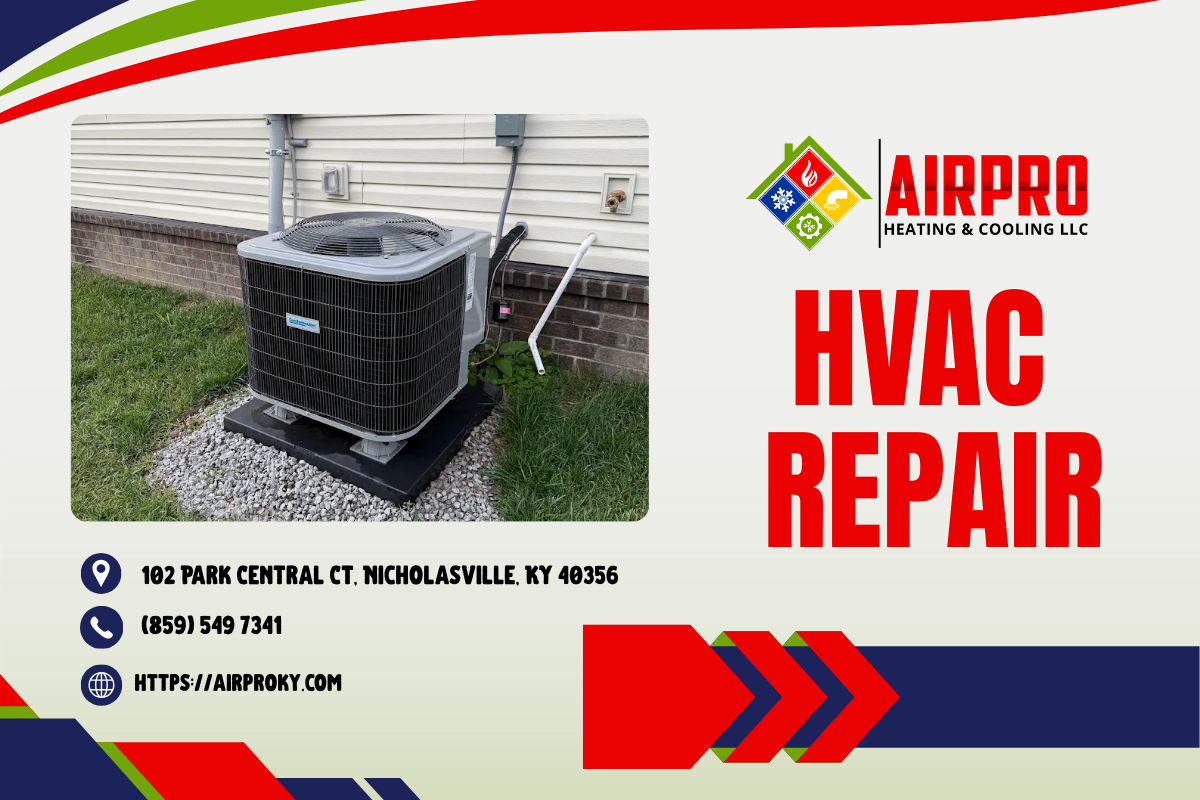
If you own a home long enough, your HVAC system becomes a familiar companion. It hums when the season changes, falters at the worst possible time, and rewards consistent care with quiet, steady service. The difference between a system that lasts 20 years and one that limps to 10 almost always comes down to preventive maintenance. Not magic, not gimmicks, just regular attention to airflow, cleanliness, and safe operation.
I have walked into attics where a simple clogged filter led to a frozen coil and a flooded ceiling. I have also seen 18-year-old heat pumps still running within a few percent of their original efficiency because the owner treated spring and fall tune-ups like oil changes. The physics are simple. Forced-air systems thrive on unimpeded airflow, clean heat exchange surfaces, tight electrical connections, and proper refrigerant charge. Neglect any one of those, and parts downstream begin to suffer.
Why longevity and reliability are linked
Most homeowners ask about lifespan when they are already frustrated. The thermostat is fine, but the ac not cooling under a heavy load. The blower runs, but the furnace not heating above lukewarm. Or the heater not working first thing on a freezing morning. Those are symptoms. Behind them are stresses that have been building for months or years.
Short cycling drives compressors and igniters to an early retirement. Heat exchangers crack when airflow is starved and temperatures spike. Motors draw excess amperage when bearings dry out or the wheel is caked with dust. Each of these stresses decreases both reliability day to day and total service life. Maintenance reduces stress, which improves comfort and stretches the practical lifespan of the system.
What “preventive maintenance” really means
In practice, preventive maintenance is a predictable set of checks and small corrections applied in the right season. The scope differs a bit for gas furnaces, heat pumps, and straight-cool air conditioners, but the goals are the same: protect airflow, preserve the heat exchange surfaces, maintain proper charge and combustion, and verify safeties.
For a typical split cooling system, that means replacing or cleaning filters, washing condenser coils, inspecting evaporator coils and drain pans, clearing the condensate line, checking refrigerant pressures against temperature, confirming superheat/subcool values, tightening lugs, testing capacitors, measuring motor amperage, and confirming thermostat operation. For furnaces, add combustion analysis, flame sensor cleaning, pressure switch and inducer checks, heat exchanger inspection, gas pressure verification, and flue integrity. For heat pumps, include defrost cycle function, reversing valve operation, and crankcase heat when applicable.
This sounds like a lot. It is, but the work is straightforward and far cheaper than emergency calls or premature replacements.
The airflow foundation
Airflow makes or breaks HVAC systems. Nearly half of the performance problems I see trace back to it. If the system cannot move the right volume of air across the coil or heat exchanger, temperatures drift out of the safe range and the equipment trips safeties or runs at reduced capacity.
Filters are the first choke point. A pleated 1-inch filter that is “high MERV” but loaded with dust becomes a brick. The blower compensates by working harder, amperage rises, and the evaporator coil gets colder than it should. On a humid day, the coil can ice over. Ten minutes later you are on your thermostat bumping the temperature lower because you think the ac not cooling. In reality the system is starved and off its design curve. Regular filter changes keep static pressure in check and extend motor life.
Registers and returns matter too. I have walked into homes where two or three supply registers were closed “to push air to the other rooms.” That choice raises static pressure and can drive the blower off its fan curve. If you want to rebalance rooms, adjustments are fine, but avoid closing more than a small fraction of supplies and never block returns.
Ductwork leakage steals capacity and invites dust that coats the coil. A quick static pressure test and a look at the plenum and trunk connections often reveals leaky seams that a tech can seal. A system designed for 400 cubic feet per minute per ton will not behave if it is losing 20 percent of that into a crawl space.
Coils, cleanliness, and heat transfer
Heat exchange surfaces do their job by transferring energy efficiently. Dirt is an insulator. When a condenser coil is matted with cottonwood fluff and driveway dust, head pressures climb and the compressor works harder. The amperage increase means more heat, which breaks down compressor oil faster and shortens its life. I have measured a 15 to 20 percent drop in energy use after a proper coil cleaning on badly neglected units. That is not a fancy accessory. It is a garden hose, coil cleaner, and patience.
Evaporator coils collect fine dust that slips past filters, especially if the return side leaks. If you see a slow decline in cooling capacity and persistent odors, that coil may be matted. Cleaning an evaporator coil requires care, since we do not want to flood a closet or bend fins. In many cases, a technician will remove a door panel and use a low-pressure sprayer and soft brush. If the coil is encased, the cleaning is more involved and adds labor time. It is still cheaper than ignoring the problem until the coil freezes, thaw cycles flood the pan, and the condensate backs up into a ceiling.
Speaking of condensate, clear that drain. Bacteria and dust create slime that blocks the trap. Install a float switch in the primary or secondary pan to shut the system off if water rises where it should not. I have seen a $20 float switch save $3,000 in ceiling repairs. Pouring a cup of diluted vinegar into the drain line every few months can keep growth in check.
Refrigerant and the discipline of proper charging
A modern HVAC system is unforgiving when it comes to refrigerant charge. Too little charge, and the coil runs colder than intended, risking freeze-ups and low capacity. Too much, and the compressor runs at high head pressure, drawing more current and stressing windings. The right way to charge is by superheat or subcool, not by guesswork. That requires gauges, a temperature probe, and context: indoor and outdoor temperatures, airflow, and line set length.
If your system has been https://www.airproky.com/ “topped off” every summer, ask why. Refrigerant does not evaporate out of a sealed system unless there is a leak. Track down the leak, repair it, and charge properly. A slow leak ruins compressors because oil migrates with the refrigerant. After a few years of topping off, you have a starved, oil-poor compressor that fails on a 95 degree day.
Homeowners should resist the temptation to use DIY cans with sealant. Sealants can gum up TXVs and metering devices, turning a small leak into a big repair. Spend the money on a technician who will find the root cause.
Electrical health and motor longevity
HVAC equipment shakes, heats, cools, and draws significant current. That is hard on electrical connections. Loose lugs generate heat, which loosens them further, a vicious cycle that cooks terminals and boards. Tightening connections with a torque screwdriver during a maintenance visit takes minutes and prevents many no-cool calls.
Capacitors drift out of spec with time and heat. A weak capacitor causes a compressor or fan motor to struggle on startup and can add several amps to running current. Replace an out-of-tolerance capacitor proactively rather than waiting for it to blow on a Sunday night. I keep a stock of common sizes precisely because of this pattern.
ECM blower motors have embedded electronics and can be pricey. They reward clean filters and balanced ducts because they adapt to maintain airflow. Starve them with excessive static or bath them in return leaks full of drywall dust, and the boards fail early. Simple housekeeping, like sealing return leaks and keeping filter cabinets closed, protects an expensive component.
Gas furnaces and safe combustion
If you own a gas furnace, the maintenance conversation includes safety. The heat exchanger keeps flue gases separate from your indoor air. Corrosion, vibration, and repeated thermal cycles can crack it. An annual inspection with good lighting and mirrors, or a camera where design allows, is not overkill. A cracked heat exchanger requires replacement. That is a tough call during a cold snap, but safety wins.
Flame sensors build up oxide and stop reliably proving flame. A quick cleaning with fine abrasive cloth is part of routine service. Pressure switches verify the inducer creates the right draft before gas flows. Hoses and ports clog with soot or debris. Testing those safeties each fall prevents a heater not working on the first really cold morning.
Gas pressure needs to be within the manufacturer’s range. I have seen furnaces set too high, chasing more heat, which only creates soot and shortens heat exchanger life. Proper combustion analysis looks at oxygen, carbon monoxide, and flue temperature. Numbers outside typical ranges point to a dirty burner, misaligned flame, or incorrect gas pressure.
Heat pumps and the extra seasonal twist
Heat pumps work hard in both seasons. In summer, they behave like air conditioners. In winter, they reverse. The defrost cycle keeps the outdoor coil from becoming an ice sculpture, and the reversing valve handles the change in flow direction. A maintenance visit in the shoulder season should confirm the defrost board responds correctly and the temperature sensor is reading accurately. If defrost timing is off, you lose efficiency, and in a cold spell, the system may lean too hard on electric backup heat, spiking your bill.
Crankcase heaters protect compressors in cold weather by keeping refrigerant out of the oil. If the heater fails, a cold start foams the oil and starves bearings for a few seconds, which adds up over many cycles. A quick check with a clamp meter confirms whether the heater is drawing power.
The homeowner’s maintenance routine that actually works
A good portion of preventive maintenance lives with the homeowner. You do not need gauges or combustion analyzers to make a meaningful difference. What you need is a habit.
- Replace or clean filters on a schedule, not by feel. Check monthly, replace every 1 to 3 months depending on dust, pets, and MERV rating. Keep the outdoor unit clear. Maintain 18 to 24 inches of space, trim shrubs, and rinse the coil gently each spring. Pour a cup of diluted vinegar into the condensate drain a few times each cooling season to discourage slime. Keep supply registers and returns unblocked. Vacuum grilles and avoid closing more than a small fraction of registers. Note sounds and smells. A new hum, a buzz at startup, or a musty odor often appears weeks before failure. Write it down and mention it at your tune-up.
These simple actions support the system between professional visits and often prevent the cascade of issues that ends in ac not cooling or a heater not working when you need it most.
Seasonal timing that pays off
The best time for maintenance is not during the first heat wave or Arctic blast. Book cooling maintenance in early spring, ideally when nighttime temperatures are still cool. Techs have more time, you have more appointment options, and any needed parts are easier to schedule before the rush. For heating, schedule in early fall. If you have a combined system, set two visits a year. In regions with light heating or cooling loads, one thorough visit may suffice, but only if the system is clean and stable.
If you must choose one season for a single visit, prioritize the season with the heavier run time in your area. In the Gulf Coast, cooling checks catch most issues. In the upper Midwest, a fall furnace service is essential.
When repair becomes replacement, and how maintenance still helps
Even with perfect maintenance, no system runs forever. Compressors reach winding end-of-life, heat exchangers age, and blower motors retire. The goal is not to avoid replacement, but to reach it on your terms and budget.
I advise clients to weigh three factors: age, repair cost relative to replacement, and efficiency gap. At 15 years, a major compressor or heat exchanger repair often nudges you toward replacement, especially if your current system is significantly less efficient than available models. That said, I have replaced a $300 inducer on an older furnace for a client who needed one more season to budget for a comprehensive upgrade. Good maintenance keeps the rest of the system healthy so that a targeted repair buys time without throwing good money after bad.
Maintenance also matters for warranty claims. Manufacturers require proof of regular service to honor certain parts or labor warranties, especially for compressors and ECM motors. A documented tune-up history can save you thousands.
The cost-benefit in real numbers
Let’s talk money. A typical professional tune-up runs anywhere from 100 to 250 dollars per visit depending on region and scope. A more thorough seasonal service plan with two visits, priority scheduling, and discounts may cost 200 to 500 dollars annually. Put that against common failures: a condenser fan motor might be 300 to 700 installed. A blower motor can hit 600 to 1,200 for ECM models. A compressor replacement easily reaches 2,000 to 4,000. A flooded ceiling from a clogged drain can exceed 2,500 in repair costs.
Over a 12 to 15 year span, the math favors maintenance. Even a modest 5 to 10 percent efficiency gain after cleaning coils and verifying charge cuts utility bills, which adds up in long cooling seasons. Avoiding a single emergency call on a weekend may pay for a year of maintenance.
Edge cases that test judgment
There are situations where the standard playbook needs adjustment. Homes with new construction dust should see more frequent filter checks for 6 to 12 months. Households with multiple shedding pets clog filters faster and may benefit from deeper media filters with a larger surface area to reduce pressure drop. Vacation homes that sit idle need special attention to drain lines, since stagnant water grows slime faster. Coastal properties see salt buildup on coils, which demands gentler but more frequent rinsing to prevent corrosion.
Ductless mini-splits require regular cleaning of indoor fan wheels and washable filters. Their small coil fins and tight drain pans are sensitive to dust and growth. A neglected cassette unit loses capacity quietly until the homeowner notices rooms taking longer to cool.
Old homes with limited return air often push static pressures beyond what modern blowers like to see. In those cases, a maintenance visit might include a conversation about adding a return or upsizing filter cabinets to lower pressure drop. Spending a few hundred dollars on duct improvements can extend the life of a blower and improve comfort immediately.
What to expect from a professional maintenance visit
Not all tune-ups are equal. A high-quality visit is both diagnostic and preventive. It does not gloss over measurements or rely on a quick visual. You should see instruments, not just a flashlight. A tech should attach gauges when appropriate, measure temperature split, check static pressure, and compare capacitor values to nameplate ratings. They should clean, tighten, and test, not just recommend replacements.
Good companies leave numbers behind: refrigerant pressures and temperatures, superheat or subcool, temperature rise across the furnace, combustion measurements, static pressure readings, and amperage on motors. These create a trendline year to year. Seeing a blower motor draw climb slowly might prompt a deeper cleaning of the wheel or a look at duct restrictions before a failure.
If a technician recommends a part, ask to see readings or test results. A failing capacitor, for example, shows a clear microfarad value outside the tolerance range. A weak flame sensor can be explained in terms of microamps measured at the board. Transparent data builds trust.
Small upgrades that lighten the load on your system
Maintenance goes hand in hand with minor upgrades that reduce stress. A high-quality pleated media filter with a wider cabinet lowers pressure drop compared to stacking 1-inch filters. A programmable or smart thermostat that manages staging and fan run time can smooth out cycles. Surge protection on the outdoor unit protects electronics during storms. A float switch, as noted earlier, prevents overflows. UV lights are sometimes proposed, but I only recommend them in systems where coil biological growth is a persistent issue and where the light can be placed correctly without damaging plastics.
If you have rooms that never quite balance, a manual damper adjustment or a small duct modification may pay off in both comfort and system longevity. Equipment that runs fewer strained cycles lasts longer.
Recognizing early warning signs
Most failures telegraph themselves. A loud condenser fan that squeals or grinds at startup points to bearings. A faint burnt smell at a furnace start can be dust in the heat exchanger the first time you run it, which is normal, but persistent burning smells need attention. Ice on the suction line at the outdoor unit means a refrigerant or airflow issue. Water around the air handler is a condensate problem. Breaker trips signal electrical faults or motor overload. Catching these with a call during business hours beats a weekend emergency.
For cooling, a room that feels humid even with acceptable temperature often indicates a short cycle or improper airflow. For heating, uneven temperatures between rooms may point to duct issues or a blower not moving the designed volume of air. Jot down the conditions when you notice the problem. Ambient temperature, humidity if you have a sensor, and what the thermostat was set to. This helps your technician zero in on the cause.
Extending lifespan is a mindset, not a single act
Treat your HVAC system like a car you depend on. Regular service, attention to small changes, and an understanding of how the machine breathes and moves heat will carry it well past the average. You do not need to become a technician. You just need a routine and a trustworthy partner.
When your neighbor says their ac not cooling again this summer or complains about a furnace not heating evenly, it is tempting to blame the brand. Brands matter, but maintenance matters more. I have seen builder-grade equipment outlast premium models because the owner kept the coils clean, filters fresh, and refrigerant charge correct. On the flip side, a top-tier system ignored for years will falter early.
If you start with the basics, schedule seasonal tune-ups, and make small upgrades that lower strain, your system will reward you with quieter operation, lower bills, fewer panicked calls, and a lifespan that pushes the upper end of the typical range. That is the quiet dividends of preventive maintenance, paid every day your home stays comfortable without drama.
AirPro Heating & Cooling
Address: 102 Park Central Ct, Nicholasville, KY 40356
Phone: (859) 549-7341